
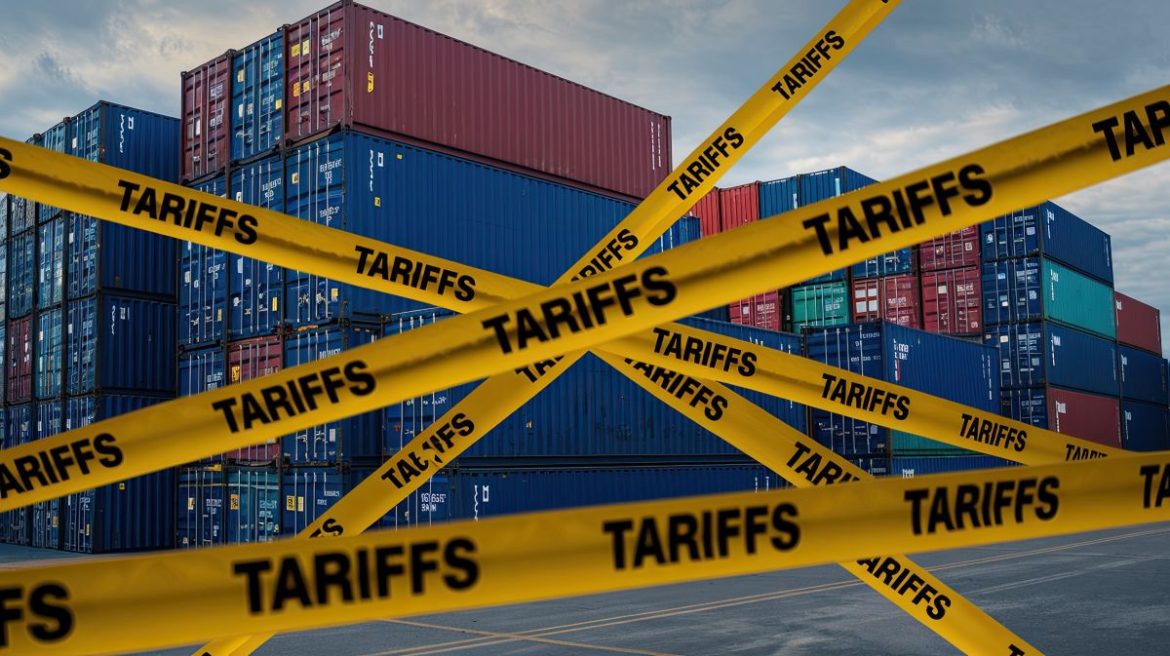
Tariffs have always been part of clinical trials. Whenever supplies, equipment, or study materials cross borders, duties and fees are part of the process. For years, these costs were predictable enough to be absorbed into budgets and timelines. Sponsors and CROs planned accordingly, and study teams treated the impact of tariffs on clinical research as a background factor that rarely disrupted study timelines.
That changed in 2025. Reciprocal tariffs (duties that mirror those imposed by another country) entered the conversation and quickly became a reality. Governments responded to trade disputes by imposing duties that mirrored those of their counterparts. The impact of tariffs on clinical trials was immediate and exponential. Materials that once moved relatively freely became more expensive overnight. Customs officials applied new rules, slowing clearance for clinical trial supplies. Study teams found themselves adjusting budgets and schedules midstream, often while trials were already underway. What had long been a manageable detail became a source of uncertainty.
The effects were felt across the research ecosystem. Sponsors faced higher costs and CROs had to rework logistics to keep sites supplied on time. Tariffs were no longer background noise; they were shaping the rhythm of global research.
Practical Approaches for Clinical Trials
As of late 2025, about 60% of registered clinical trials involve sites outside the U.S., making them global in scope. For organizations conducting trials in another country, tariffs add friction to already complex operations. While no single tactic eliminates the challenge, several approaches help study teams maintain control:
- Supplier transparency. Team with vendors who provide clear upfront information about tariff‑related costs and shipping expectations to reduce surprises.
- Regulatory precision. Ensure customs documentation is exact; small errors can compound delays.
- Built‑in flexibility. Sponsors and CROs who anticipate disruptions and allow room in schedules are better positioned to adapt. Understand that your suppliers are under the same pressures. That may mean that the discounts you’re used to aren’t available in order for the supplier to cover their operating costs and remain reasonably profitable.
- Expect Rate Card Increases: There is a real trickle-down effect that will be seen across the industry. Manufacturers who are being taxed and tariffed, let alone facing higher logistics costs, will pass those costs onto their partners. Partners will have to pass those costs onto their clients. Sponsors and CROs may have to choose between low costs with long wait times or paying a premium for the quality and quantities they need to start their trials faster than their competitors.
These measures do not erase the impact of tariffs in clinical research, but they give study teams tools to manage uncertainty with greater confidence.
What to Watch in 2026
Several developments could shape the global clinical trial environment in the months ahead. Tariffs may escalate further, adding pressure to already strained supply chains. Negotiated relief or exemptions for pharmaceuticals and medical devices could stabilize budgets.
Sponsors may also invest in diversified sourcing, building redundancy into supply chains to reduce exposure to sudden policy shifts. Industry voices are seeing the same trend:
Tariffs have actually accelerated the industry’s focus toward what the U.S. should have prioritized decades ago, building more resilient, domestically centered supply chains that reduce long-term risk.”
-Scott Nelson, Cofounder and CEO, FastWave Medical
Whatever the outcome, one constant remains: study teams must stay alert to changes that could interrupt study continuity.
Imperial’s Role
At Imperial, we recognize that the impact of tariffs on clinical research now plays a bigger role in how study teams plan, communicate, and deliver results. Our services extend from kitting and ancillary trial supplies to equipment sourcing and the modern-day logistics required to deliver materials to sites worldwide. By placing accuracy, agility, and consistency at the center of every step, we help sponsors and CROs manage uncertainty and keep trials on track.
We dedicate significant time and energy to consulting support for our clients. That means encouraging them to plan and source clinical trial supplies in bulk to lock in prices. We also advise consolidating services and shipments to reduce costs and improve speed. Another focus is helping teams understand how different geographies affect cost, timelines, and complexity. We also present options for products with comparable capabilities but with a lower cost profile.
Final Thoughts
Tariffs have always been part of clinical trials, but the impact of reciprocal tariffs in 2025 made them impossible to ignore. As 2026 unfolds, study teams will need resilience, precision, and reliable partners to navigate shifting trade winds. Imperial stands ready to support sponsors and CROs, ensuring that trials continue to advance despite the challenges of a changing global landscape.