

In global clinical trials, the kit is much more than a box handed off to a courier. It’s a critical trial tool that must clear customs, withstand transit, and arrive across borders ready for use by the trial team or participants. That means more than compliance; it means foresight. From labeling and language to packaging and provenance, kitting logistics for global clinical trials demands a strategic blend of logistics, cultural fluency, and regulatory precision.
Here’s what sponsors and study teams need to understand about international kitting, and what logistics teams must manage behind the scenes.
Customs: Visibility, Vocabulary, and Vigilance
Every country has its own customs protocols, and every customs agent has discretion. That’s why visibility into kit contents is essential. The Proforma or Commercial Invoice is the starting point, but it’s rarely the end. Customs may request:
- Photos of kit components
- Manufacturing details or origin documentation for each of the kit’s components
- Certificates of conformity or licensure
Even the language used to describe components can trigger scrutiny. For example, “alcohol wipes” can stall a shipment, not because of the item itself, but because the word alcohol may raise red flags for transport requirements or suggest flammability. It could prompt customs to request additional documentation or impose restrictions. Reframing them as “disinfectant wipes” avoids unnecessary concern.
Similarly, “blood tube” is too vague; “empty K2EDTA collection tube” is more precise and less alarming.
These titles are compliance strategies. When documentation matches the product exactly, and when terminology doesn’t raise red flags, kits move faster. Customs is a checkpoint that demands clarity.
Traceability: From Manufacturer to Destination
In global clinical trials, traceability is a regulatory requirement. Every FDA-governed product in a kit must be traceable back to its manufacturer, typically via lot or serial number. This chain of custody allows sponsors and CROs to respond swiftly to recalls or defects and ensures accountability across borders.
A robust tracking system makes this possible. If a manufacturer issues a recall, the system should be able to identify every destination that received the affected product and advise on next steps. This isn’t just about compliance. It’s a commitment to participant safety and operational integrity.
Packaging and Insurance: Protecting What Matters
Fragile items such as glass tubes, diagnostic devices, and temperature-sensitive materials require thoughtful packaging. To protect fragile or sensitive items, logistics teams rely on:
- Double-walled cartons for structural integrity
- Foam or other specialized inserts to cushion delicate components
- Strategic separation of items to prevent damage
Labels placed on the outer packaging (the classics, like “fragile” and “this side up”) help reinforce handling standards and reduce the risk of mishandling. Additionally, some components may require dangerous goods or special instructions labeling to ensure safe and effective transport.
Insurance is another layer of protection. Small parcel carriers typically reimburse up to $100 for lost or damaged shipments unless additional coverage is purchased. For high-value or highly coveted items, insurance is a practical safeguard. GPS trackers can also be added to shipments that pass through complex routes or high-risk regions. These tools offer visibility and reassurance.
Couriers: Coordination and Compliance
Not all couriers are equipped to handle clinical trial materials. Some specialize in temperature-controlled shipments, others in hazardous goods. Some offer real-time monitoring, others do not. Shipment requirements must be matched with carrier capabilities to ensure proper handling.
Many shipments require more than just pickup and delivery. Couriers need to know how to handle liquids, corrosive substances, and fragile items safely during transit. They also need to understand whether a product is being shipped for storage or for immediate use, because that affects how it’s packed, labeled, and transported.
Familiarity with customs procedures and documentation requirements is essential, especially when shipping across borders, where each country enforces its own rules, terminology, and expectations. What clears customs in one region may trigger delays in another, making local knowledge and precise documentation critical to smooth delivery.
The Kit in Use: Language, Users, and Local Realities
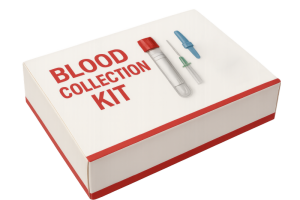
A kit that clears customs and arrives safely still fails if the user is unsure about how to use it. That’s why language, labeling, and cultural expectations matter. To ensure usability across regions:
- Instructions must be clear and translated appropriately
- Component labels must be legible and culturally neutral
- Packaging must align with local norms and expectations
- The intended user, whether participant or professional, must be able to navigate the kit without frustration
Cultural expectations can also influence kit design. This includes packaging layout, color choices, iconography, and instructional formatting.
In some regions, certain colors or symbols carry unintended meanings. Packaging that seems neutral in one country, like red or black, may be off-putting or misinterpreted in another. Kits have been rejected or misunderstood because they didn’t align with local norms.
Blind Spots in Kitting Logistics for Global Clinical Trials
One of the most common pitfalls in international kitting is the addition of late-stage items. Comfort items or medical supplies are often introduced after planning is complete, introducing delays when licensure or compliance documentation is suddenly required. Study teams, understandably, aren’t logistics experts, but they’re often left to navigate shipping requirements alone.
Customs frequently flag certain items due to safety or regulatory concerns. These include:
- Products intended for consumption, such as coffee mugs, water bottles, and food portion plates. These must meet strict manufacturing standards in many countries, and shippers must provide evidence of compliance.
- Technology devices and gift cards. These raise red flags, as they can be exploited for financial or technological scams.
- Medical products. These receive heightened scrutiny, especially those requiring government-approved licensure for importation.
While internal logistics teams may manage investigational product and concomitant medications, ancillary equipment and supplies often fall through the cracks. That’s where experienced logistics partners step in. They understand which items cause concern, which countries demand special documentation, and which couriers can be trusted with sensitive materials.
Final Thoughts: Partnering for Precision
Kitting logistics for global clinical trials is rarely simple. It involves regulatory nuance, packaging strategy, courier coordination, and cultural fluency. When these elements are managed well, clinical trials move forward without costly delays. When they’re neglected, even the best-designed study can stumble.
The logistics team at Imperial Clinical Research Services brings deep experience to this process. We understand the regulatory terrain, operational risks, and human realities of global clinical trials. If your study involves international sites, we’re ready to help you plan, ship, and deliver with confidence. Click the Contact Us button or visit our website for more information.